If you have ever looked out at your class and seen:
• One kid building a pencil tower
• One staring into the void
• One asking to go to the bathroom for the third time
• And one deeply invested in peeling glue off their hands
Congratulations. You are a teacher.
Student engagement is not about being a circus performer. It is about creating small, intentional structures that invite students into the learning instead of dragging them there.
The good news? You do not need a total classroom overhaul. You just need a few strategic shifts.
Here are seven simple classroom engagement strategies that actually work and will not require you to reinvent your entire personality.
1. Give Students Structured Choice
If you want instant buy in, give students options.
Choice increases ownership. Ownership increases effort. Effort increases engagement. It is a beautiful cycle.
Instead of assigning one way to complete a task, offer three options.
For example:
• Write a paragraph
• Create a comic strip
• Record a short explanation
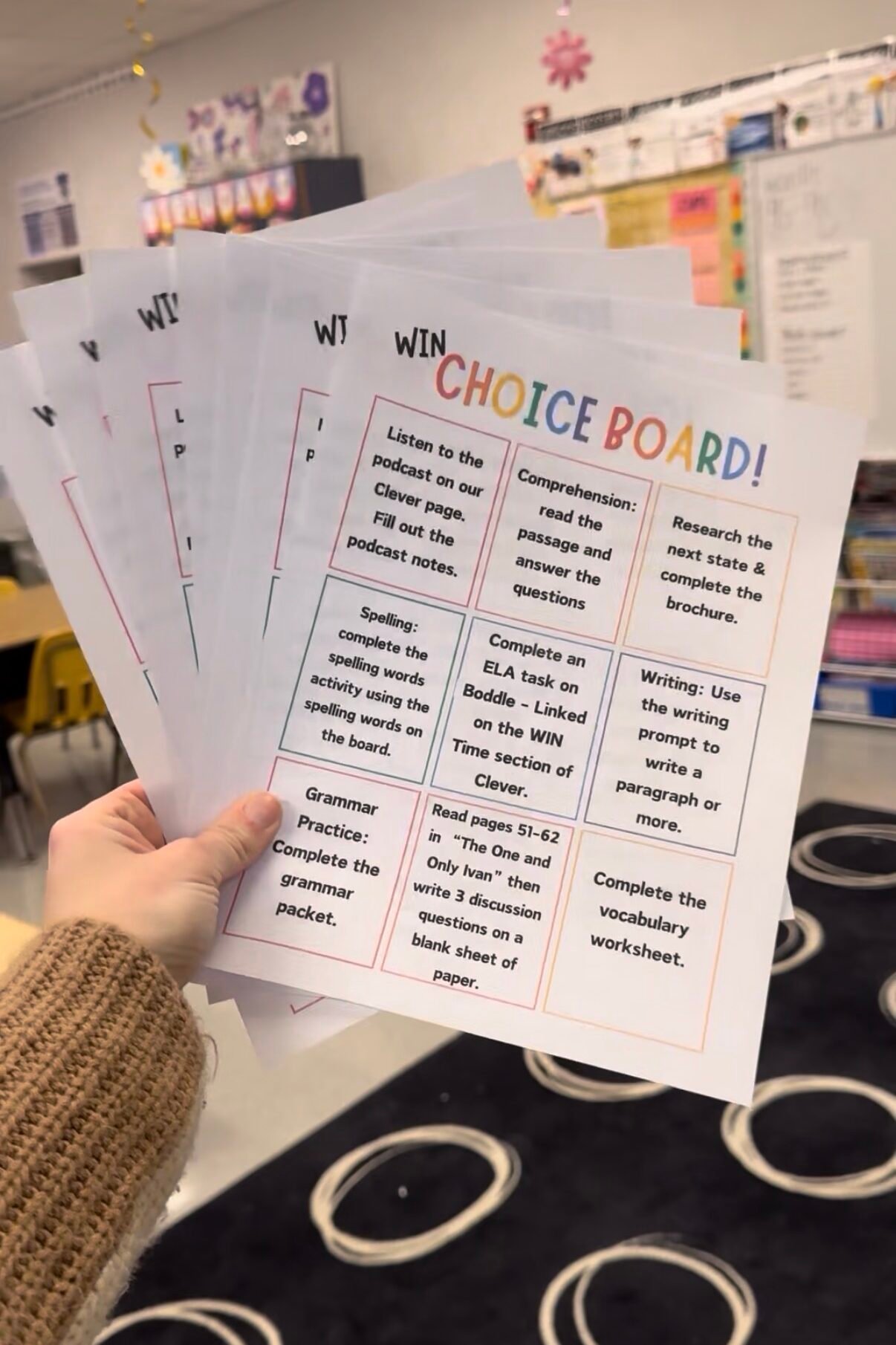
You can use printable choice boards, digital menus, or even laminated task cards that rotate weekly.
Having a visual choice board displayed makes it feel intentional and organized instead of chaotic.
Teachers love tools that make systems reusable instead of one and done.
2. Use Whiteboards for Everything
Want to increase participation fast?
Hand every student a mini whiteboard.
There is something magical about students knowing their answer can be erased. It lowers the fear factor and increases participation.
You can use small lap boards, sheet protectors with cardstock inside, or dry erase sleeves. If you want something durable, class sets of mini whiteboards are worth the investment.
Check out these Amazon finds:



You will use them for math problems, quick writes, exit tickets, vocabulary checks, and brain breaks. The return on engagement is high.
3. Add Movement Without Losing Control
Movement does not have to mean chaos.
Simple engagement strategies that include movement:
• Gallery walks
• Scoot activities
• Stand up if you agree
• Partner rotations
If you are nervous about noise levels, use teacherstack.com to signal transitions. It keeps you from raising your voice and makes everything feel more structured.
Movement resets attention. Especially after lunch. Especially in spring. Especially always.
4. Make Participation Random and Fair
If you only call on volunteers, you are hearing from the same five students.
Random selection increases accountability because everyone knows they might be called on.
You can use:
• Popsicle sticks with names
• A random name picker app
• A spinning wheel online
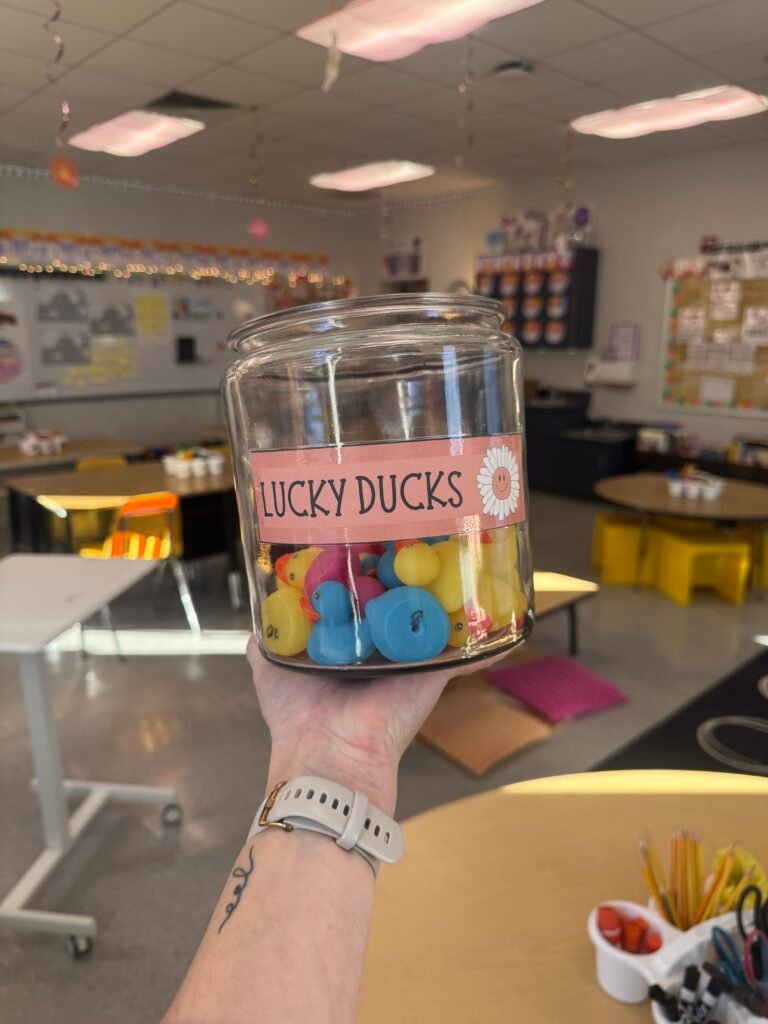
For a low prep classroom system, rubber ducks with student numbers on the bottom, in a container, work beautifully. Some teachers also love using a spinning prize wheel for review days to add energy.
The key is consistency. When students know participation is expected from everyone, engagement increases across the board.
5. Gamify Review in Simple Ways
You do not need a full escape room every Friday.
Engagement can increase with small competitive structures like:
• Table points
• Review bingo
• Trashketball
• Team whiteboard races
A small magnetic scoreboard on the board can turn even grammar review into something exciting.
Try this scoreboard from Amazon!

- 🥇【Portable Scoreboard】Scoreboard size 7.5”x2.9”x1”, button diameter is 1.97”, very easy to take around and just put it i…
- 🥇【Battery & Durable】Built-in rechargeable battery with USB‑C charging for convenient power supply. It supports plug-and-…
- 🥇【Easy Operation with Remote】Our scoreboards can keep scores from 1 to 99 with HOME GUEST sign. The scores of HOME&GUEST…
When learning feels like a game, effort increases. Just keep the competition light and focused on teamwork.
6. Build Micro Wins Into Your Lessons
Engagement drops when tasks feel overwhelming.
Break lessons into small chunks and celebrate completion.
For example:
• Finish three practice problems
• Quick check
• Celebrate with a 30 second stretch
• Continue
Using a visual progress tracker helps students see where they are in the lesson. Something as simple as a pocket chart with step cards can transform focus.
Students are more engaged when they feel successful.
7. Strengthen Relationships Intentionally
This one matters most.
No strategy works if students do not feel safe and seen.
Simple relationship builders:
• Two minute check ins
• Morning greeting at the door
• Interest surveys
• Weekly reflection prompts
Keep a small teacher binder with relationship notes so you can track interests and important moments. It helps you connect intentionally instead of randomly.
Engagement grows when students feel known.
The Truth About Classroom Engagement
You do not need a Pinterest perfect classroom.
You need structure. Choice. Movement. Fairness. Relationships.
Start with one strategy this week. Not seven.
Pick the one that feels manageable and build from there.
Because engaged classrooms are not created by exhausted teachers trying to do everything.
They are built by teachers who choose one small shift and stay consistent.
You are already doing more than you think.
Now go laminate something and call it professional development.
~ Jade